

Stoney Tark’s Top Tips for Indoor Hydroponics in 2026
Growing cannabis hydroponically can be incredibly rewarding and has the potential to dramatically increase yields when done correctly. If you’re moving away from growing in organic soil and want to explore hydroponic methods, the following tips will help you succeed in 2026!
Keep an Eye on EC Levels
Electrical Conductivity (EC) measures the nutrient strength in your solution and directly affects plant growth. In hydroponics, cannabis can tolerate higher nutrient levels than in soil, but accuracy is key. Regularly check your EC using a digital meter to ensure plants are receiving the right amount of food.
Autoflowers Thrive in Hydro
Autoflowering cannabis plants are especially well-suited for hydroponic systems. With a short vegetative phase of around four weeks, they adapt quickly and grow efficiently. Most auto-flowering strains can be harvested within 11–12 weeks from seed, making them an excellent choice for fast, productive hydroponic grows. I would recommend using hydro systems with high-yielding autoflowers.
Small Systems for Small Spaces
If you are limited by indoor space, one of the best ways to elevate your yields is to use small hydro systems. Single DWC bucket systems, NFT or dripper systems can help maximise the grow space. Whilst hydro systems are typically large sized, you can still find small versions that are ideal for small grow tents or converted wardrobes.
Monitor pH Levels Consistently
Maintaining the correct pH is critical in hydroponic growing. Even with perfectly balanced nutrients, plants won’t absorb them properly if the pH is off. Use a reliable digital pH meter and aim for a range of 5.5–6.5 when growing in rockwool, coco coir, or hydroton. A shift in pH can cause problem with nutrient uptake and availability, so pay close attention and be ready to implement a pH Up or Down product.
RDWC for Maximum Yields
Recirculating Deep Water Culture (RDWC) systems are among the most advanced hydro setups available. While they require experience and careful maintenance, the payoff can be massive. With properly tuned reservoirs, strong aeration, and consistent monitoring, RDWC systems can deliver exceptional yields.
Hydroton Can’t Be Overwatered
 Hydroton clay pebbles are nutrient-free and promote excellent airflow around the roots. Because of the large air pockets they provide, overwatering isn’t a concern. This makes hydroton perfect for continuous drip systems, flood-and-drain tables, and recirculating setups without risking root rot.
Dripper Systems Are Easy
If you’re new to hydroponics and transitioning from soil, a drip system is a great place to start. These systems are easy to manage, beginner-friendly, and adaptable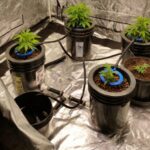 to almost any grow room size or layout. Keep things simple—avoid oversized systems, use basic drip lines and stakes, and focus on learning the fundamentals before upgrading.
NFT Tables Run Quietly
Nutrient Film Technique (NFT) tables are an excellent choice for growers seeking a quiet hydroponic system. With no need for loud air pumps, NFT systems operate discreetly and can run 24/7. Compact models fit easily into small grow tents and can deliver impressive yields in limited spaces.
Use Hydrogen Peroxide for Sterility
Unlike soil grows that rely on beneficial microbes, hydroponic systems perform best in a clean, sterile environment. Adding hydrogen peroxide to your reservoir helps eliminate harmful bacteria and pathogens, keeping roots healthy and your grow room spotless. This method is ideal for growers who want a low-mess, low-maintenance setup.
Watch Out for Algae
Algae can grow on exposed rockwool or hydroton, and in reservoirs when light and moisture combine. While it’s usually easy to control, it should never be ignored. Use hydrogen peroxide or light-blocking covers and inspect your system regularly to prevent algae from spreading.
Drip Rings Improve Coverage
For dripper systems, drip rings offer more even saturation than traditional dripper stakes. They distribute water and nutrients evenly across the growing medium, improving root development. If you prefer a DIY approach, you can easily create your own drip ring using tubing and a T-connector.
Always Have Backup Pumps
Pump failure can quickly turn into a disaster in hydroponic systems. Keeping a spare air or water pump on hand can save your crop if something goes wrong. Even if you never need it, having a backup provides peace of mind and protects your investment. When time is of the essence, a back up pump will save the day!
Take your indoor grow further
Ready to move from reading about the work to doing the work?
Oaksterdam’s Live Cohorts give you weekly structure, real-time instruction, and direct feedback so you can build job-ready skills you can prove.
You’ll learn with a group, get your questions answered live, and leave with a clear next step for your career path.
Pick the cohort that fits your goal and lock in your spot, click here: https://oaksterdam.com/cannabis-career-live-cohorts-oaksterdam/
Use code “tark10” at checkout to save 10% on your enrollment in any program.