
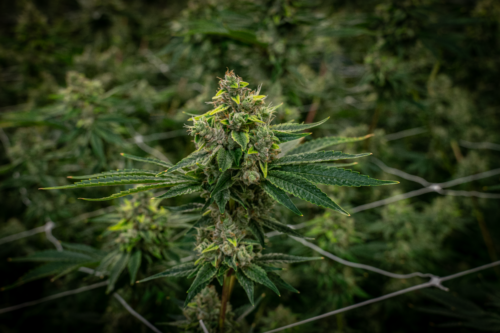
If you ask most cannabis enthusiasts what a landrace is, they are likely to tell you the same thing: they are the original cannabis “strains” that are native to different regions. This falsehood is perpetuated even on major websites that provide information about cultivars and where to find them.
Landraces, in fact, are not native to most of the world’s regions.
Landraces, in fact, are not native to most of the world’s regions. Cannabis originated in the Tibetan Plateau, and for tens of thousands of years, it traveled the world with humans, and some human populations dedicated themselves to farming what came their way. Over time, these plants adapted to both the local climate and the cultivation practices of the people who nurtured them. The resulting “landraces” are a unique product of adaptation to the earth and its cultures.
We break down DNA, inheritance, and the legacy of landrace genetics with Strain Hunters Arjan Roskam and Dust in the first week of our Live Cannabis Breeding Program with James Loud.
Arjan Roskam, Franco Loja, and Dust of Green House Seeds documented their journeys traveling the world in search of landrace cultivars to preserve and use as source genetic material in breeding projects through the Strain Hunters web and HBO series. Check out a recent episode below, which starts at the Green House headquarters in Bangkok, Thailand, and takes the Strain Hunters on a hunt for landraces in Kyrgyzstan:
Don’t miss your chance to learn how to breed from the world’s greatest breeders and genetics experts, including James Loud, Arjan Roskam, Reggie Gaudino, PhD, Justin Givens, Mark Greyshock, Brian Crocket, and Dale Hunt, PhD. Enroll now and receive a free breeder’s kit from James Loud Genetics.
After completing this six-week certification program, you will understand basic botany and genetics, how to choose breeding strategies, target traits, produce unique cultivars, set up a space, build a genetic library, design a breeding space, and protect your genetics. Enroll now, Get a free breeder’s kit