
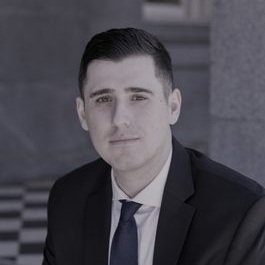
Ryan Kocot is a cannabis attorney admitted in California, Massachusetts, and New York, with a federal practice covering DEA registration and compliance matters nationwide.
Before practicing law as outside counsel, he spent time in-house, eventually running legal and compliance for a multinational public company that he helped take from a startup to an IPO and into multi-country operations. Now he advises cannabis operators with the perspective of someone who has actually sat in their chair.
Many lawyers move from a law firm to an in-house position. Ryan went the other way around and it shapes everything about how he practices.
Years ago, he joined what was then a startup as an in-house attorney. By the time he left, he was the head of legal and compliance for a publicly traded company operating across multiple countries. He sat through the IPO process. He drafted first-of-their-kind commercial agreements; agreements no one had written before because the underlying use case was too new. He set up controls for jurisdictions where the regulatory framework was still being built. He ran the compliance program from a blank page to audit-ready status, under real conditions, with a real business depending on it.
That experience matters because cannabis is the same kind of environment. The regulations are new. The agencies are evolving their interpretations weekly. The “standard” agreement for half of what cannabis operators do doesn’t exist yet because the use case is too new. And the operators who succeed are those whose lawyers understand the business context, not just black-letter law.
When Ryan took on his first cannabis matter, the work felt familiar. Not because cannabis law looks like corporate compliance, but because the posture is the same: figure out what the rules actually require versus what they technically say, anticipate where the agency is heading, and build something that holds up to scrutiny without grinding the business to a halt.