
by Greg Borstelmann
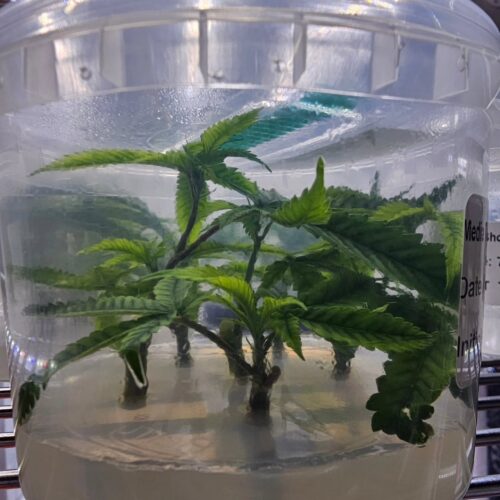
Tissue culture is often described as a way to “reset” a plant back to a more vigorous, juvenile state. By isolating meristems and nodes and growing them under sterile conditions, operators can restore vigor and eliminate internal and external issues that traditional remediation can’t touch. On paper, it sounds simple: read a few articles, buy some equipment, and you have a lab.
In reality, the biggest problems tissue culture labs face aren’t complicated. They’re fundamental.
Contamination is Not Failure; it’s Nature’s Feedback
Contamination is a normal part of running a tissue culture lab no matter the scale that it’s operating at. Although it’s not proof that everything is broken, it should never be ignored when contamination rates climb.
The first instinct is usually to blame the explant, the media, or the genetics. Sometimes that’s true, but more often, the source is much closer to home.
Too much handling.
Rushing transfers.
Small lapses in sterile technique.
Workflow shortcuts that seem harmless.
These issues rarely cause instant failure. Instead, they appear slowly and seemingly at random, making the true cause difficult to pinpoint. Over time, the problem compounds until contamination becomes “a constant mystery.”
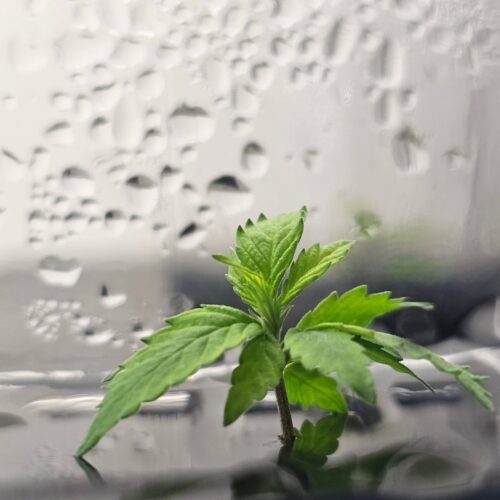
Preventing contamination is key in tissue culture. Photo: Greg Borstelmann
The Antibiotic Trap
When contamination becomes frustrating or overwhelming, labs often reach for chemical solutions, i.e., antibiotics, harsher sterilization, or antimicrobial additives. These can temporarily reduce symptoms, but they rarely address the root cause.
Think of these tools as duct tape. They patch the symptom while the real issue quietly grows beneath the surface.
If workflow and technique don’t improve, contamination will always find a way back in. This assumes the contamination is due to human error, though it typically is.
This isn’t to say antibiotics don’t have their place; they do. But they are not a silver bullet to all of a lab’s contamination problems.
The biggest use for antibiotics in our experience is when starting explant material that is derived from outdoor, or soil-grown donor plants. These explants typically carry larger amounts of endophytic contaminants that may benefit ex-vitro, like beneficial bacteria and fungi, but wreak havoc in-vitro when sterility is the name of the game.
Clean vs. Sterile: The Critical Difference
One of the most common misconceptions in new labs is confusing clean with sterile. A room can look spotless and still be poorly designed for tissue culture work. Backtracking during transfers in the flow hood. Sharing tools between clean and dirty tasks. No clear separation between prep, handling, and disposal.
All of these are common workflow mistakes that can allow for contamination to sneak its way into vessels
None of these mistakes causes instant failure, but they slowly erode consistency, and what we like to call the “walls of sterility” that technicians put up to fight back against contamination.
Good workflow doesn’t need to be complex; it just needs to be intentional and repeatable.
Complacency, the Silent Lab Killer
I would argue that experienced technicians fall into this trap more than beginners.
When transfers have gone smoothly for weeks or even months, it becomes easy to rush. To cut corners. To trust that a clean hood means sterile technique.
But contamination doesn’t reward confidence; it punishes complacency.
The best labs revisit technique constantly. They watch for drift in plants and technicians. They treat training as an ongoing process, not a one-time event.
Ensuring ALL technicians are following proper procedures and SOPs is crucial for a lab’s success. A lab is only as efficient as its most complacent technician.
Successful tissue culture labs don’t eliminate contamination entirely. That’s unrealistic.
What they do is recognize issues quickly, diagnose them honestly, and correct the underlying causes.
The goal of a lab shouldn’t be perfection.
The goal of a lab should be prevention.
And prevention always begins with fundamentals.
Greg Borstelmann is the founder of Shoots n’ Roots, a leading cannabis tissue culture consulting company. He has helped cultivators across the U.S. establish clean plant programs and commercial-scale labs using optimized, research-backed micropropagation systems.