
Over the last 15 years of state-by-state legalization, when a new state comes online, cannabis plants magically appear within state lines to serve the newly legal market. In the industry, we laugh as we call this “immaculate conception,” because we all know those plants came from somewhere, and most federal laws were broken when they were transported across state lines to their new homes.
Menus full of cultivar names provide the illusion that there are a lot of different cultivars in these new markets. In reality, many of these plants are closely related or even the same clones sold under different names. Most of the source cannabis genetic material in all North American markets came from breeders in the same places—namely, the West Coast of North America. Sure, some seeds may have traveled through Amsterdam in the last few decades, but ultimately they landed around California, Oregon, Washington, and British Columbia, where they were bred for yield, flavor—and critically—local climates.
Cultivators around the world should now also focus on breeding cultivars better suited to their own climates.
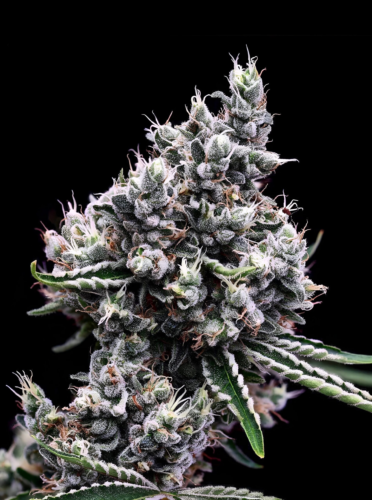
Crocket Family Farms’s SourTangie
Now that cannabis is legal, we can use DNA testing and pedigree information from the cultivars we breed with to create new cultivars that meet a wide range of needs. Cultivators around the world should now also focus on breeding cultivars better suited to their own climates. Not only does this make cultivating the plants easier, but it also results in the diversity cannabis consumers love and have become accustomed to during Prohibition.
Unlike many other agricultural industries, cannabis consumers prize diversity. Connoisseurs seek out new flavors, aromas, and effects. For the industry to meet this need, we need more breeders. Now that cannabis is being legally grown in so many new places, it is time to introduce new cannabis genetics adapted to local climates and representing local cultures. Yes, the West Coast produces excellent cannabis cultivars, but we need more diversity for the economic and genetic resilience of the industry, the plant, and the people who foster it.
For the industry to meet this need, we need more breeders.
Oaksterdam’s Live Cannabis Breeding Program with James Loud helps licensed cultivators around the world establish in-house breeding programs and train their teams to produce new, unique cultivars better adapted to where they are grown, bringing something new to the table for consumers.
In week three of this six-week program, James is joined by Brian Crocket, aka Crocquito, of the Crockett Family Farms, who bred the landmark cultivars Tangie and Strawberry Banana (among so many other well-known varieties). James and Brian cover the traits breeders select for in cannabis—from aroma, flavor, cannabinoid content, growing patterns, and more—and how to breed them into your varieties.
Don’t miss your chance to learn how to breed from the world’s greatest breeders and cannabis genetics experts, including James Loud, Arjan Roskam, Reggie Gaudino, PhD, Justin Givens, Mark Greyshock, Brian Crocket, and Dale Hunt, PhD. Enroll now and receive a free breeder’s kit from James Loud Genetics.
After completing this six-week certification program, you will understand basic botany and genetics, how to choose breeding strategies, target traits, produce unique cultivars, set up a space, build a genetic library, design a breeding space, and protect your cannabis genetics. Enroll now, Get a free breeder’s kit.