

Commercial breeding requires a profit model and a business plan to secure the necessary investment to start the operation and turn a profit. Equally important is having access to high-quality genetics, adequate infrastructure, and proficient cultivation skills. There are a few different business models for commercial breeders:
- In-house breeding for commercial flower production
- Licensing genetics (via clone or tissue culture explants) to cultivators
- Seed production
Another critical element of profitability in a commercial breeding operation in the legalization era is protecting intellectual property.
Patenting plants, particularly cannabis, is controversial and has been the subject of some of the most contentious disputes in the industry. Many view the plant as sacred and therefore believe that no person or commercial entity should have exclusive ownership of any part of it. Cannabis comes from nature, so how can any human or business entity claim its invention? Further, today’s commercial varieties were all derived from plants nurtured by generations of small farmers—often in impoverished or war-ravaged countries—or bred by small-scale cultivators who risked their freedom to bring them to market.
On the other hand, breeders produce cultivars that would not exist in nature. They cultivate, document, select, and cross plants, coaxing out unique traits through generations of work that can take years and incur significant expenses. When this work results in a distinctive cultivar, IP protection allows them to bring it to market, recoup costs, and continue breeding as a profession.
Most criticisms surrounding IP protection in the cannabis industry are directed at the patent system. The primary criticism is the potential for abuse; patenting and patent disputes are the arena of the well-funded.
Most criticisms surrounding IP protection in the cannabis industry are directed at the patent system. The primary criticism is the potential for abuse; patenting and patent disputes are the arena of the well-funded. Patents grant significant, albeit temporary, monopoly powers to their owners. The monopoly power of patents on important medicines or highly productive crops carries with it the potential for artificially high prices that can be abusive and that may limit more widespread access to such basics as quality healthcare and food.
Regardless of personal ethical views surrounding plant patents, they are already a reality in agriculture, including for hemp and non-hemp cannabis plants, and all commercial cultivators and breeders must accept and plan their operations to account for this reality in everything they do.
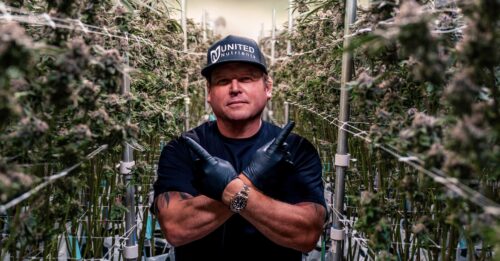
James Loud of James Loud Genetics
The final class of our six-week Live Cannabis Breeding Program with James Loud helps breeders choose a business strategy, set up a facility, establish a data collection and analysis plan, and protect their creations through patenting and trademarks. James is joined by Dale Hunt, Phd, JD of Hunt IP Law, who explains the basic types of IP, how they are used in mainstream agriculture, and how this applies to the cannabis industry for both marijuana and hemp forms of cannabis. It concludes with a critical ethical discussion on patenting nature, lessons from mainstream agriculture, and how plant patenting is shaping the future of cannabis breeding.
Dale Hunt has extensive experience with patent protection, with a technical emphasis in life sciences, environmental technology, materials and manufacturing, medical devices and diagnostic, and plants. Dr. Hunt also has experience with patent portfolio management and strategy advice, international intellectual property matters, right-to-practice and product-launch opinions, intellectual property due diligence, and licensing. Dr. Hunt completed degrees in botany (BS) and genetics (MS) at Brigham Young University, cellular and molecular biology (PhD) at UC San Diego, and law (JD) at UC Berkeley. In addition to his diverse patent practice, he has worked his entire career helping clients protect and commercialize their proprietary plant varieties in the U.S. and over 20 foreign countries. Dr. Hunt was a partner in several national law firms before founding Hunt IP Law (formerly known as Plant & Planet Law Firm) in 2019.
Don’t miss your chance to learn how to breed from the world’s greatest breeders and genetics experts, including James Loud, Arjan Roskam, Reggie Gaudino, PhD, Justin Givens, Mark Greyshock, Brian Crocket, and Dale Hunt, PhD. Enroll now and receive a free breeder's kit from James Loud Genetics.
After completing this six-week certification program, you will understand basic botany and genetics, how to choose breeding strategies, target traits, produce unique cultivars, set up a space, build a genetic library, design a breeding space, and protect your genetics. Enroll now, Get a free kit.